

Optimism for Ad's Sake
Optimism like Die Brücke

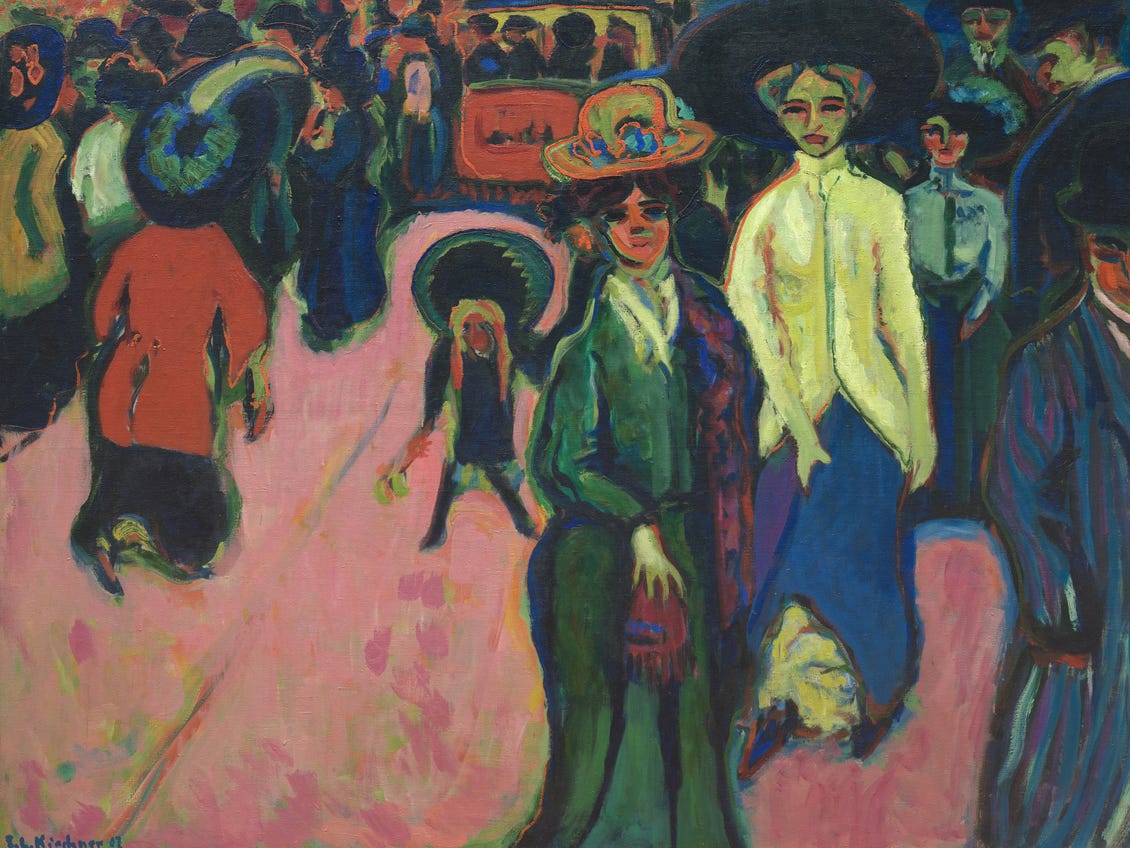
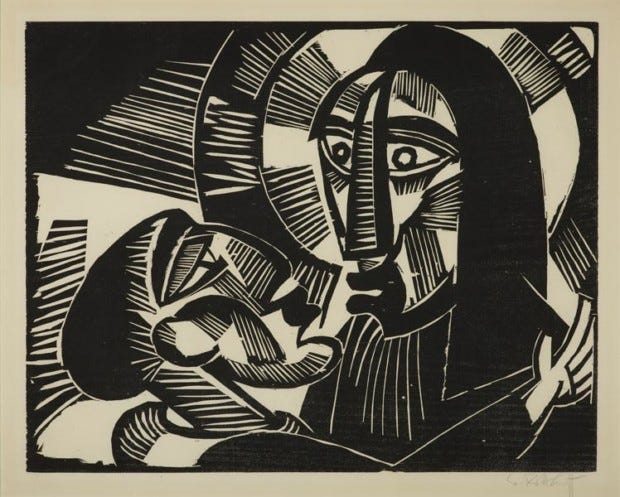
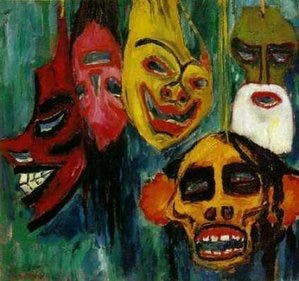
Die Brücke formed in Dresden, Germany in 1905 as a bohemian collective of artists in staunch opposition to the older, established bourgeois social order. The collective sought to confront their feelings for alienation from the modern world by reaching back to pre-academic forms of expression.
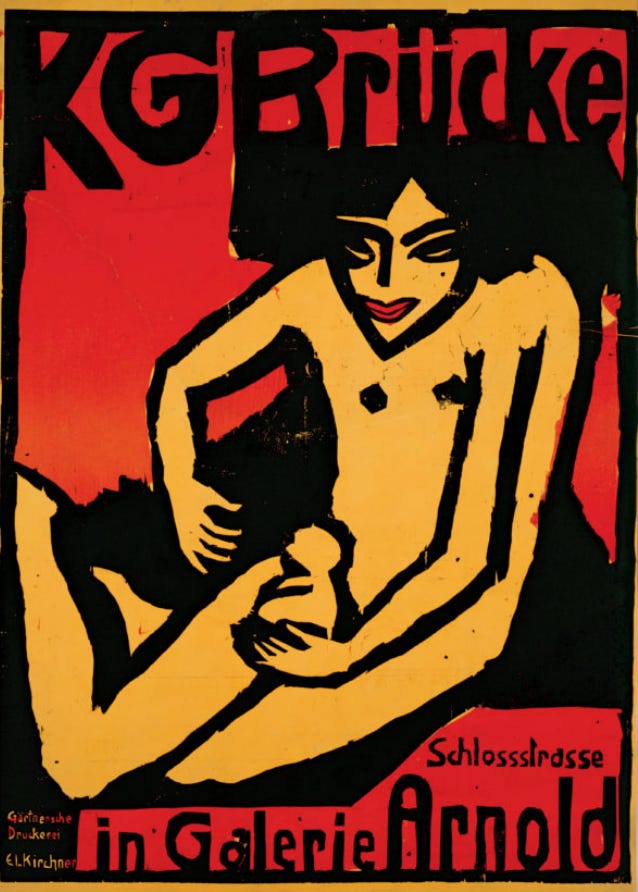
Here is their first manifesto. Printed using a woodblock techniquue.
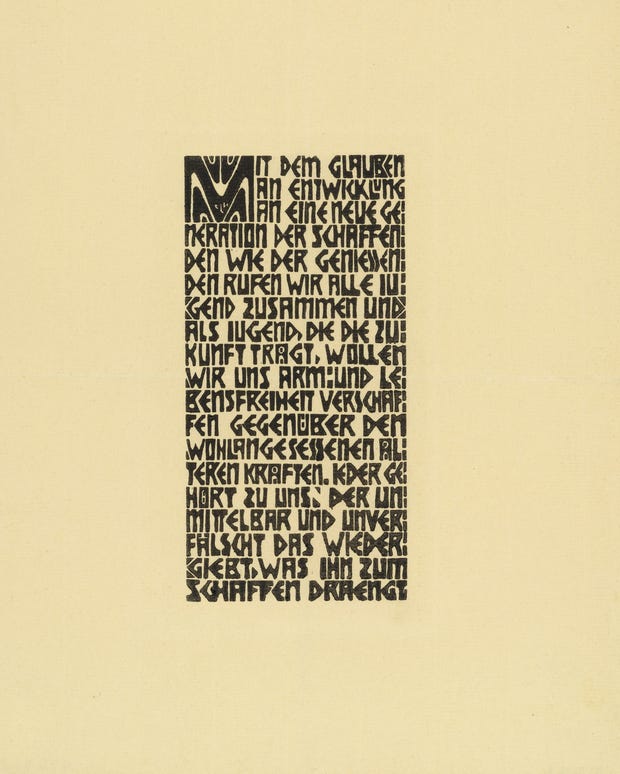
“With faith in evolution and in a new generation of creators as well as appreciators, we call together all youth, and as youth, carrying the future, we will obtain for ourselves freedom of life and movement in opposition to the well-established older powers. To us belongs everyone who renders directly and authentically that which drives him to create.”
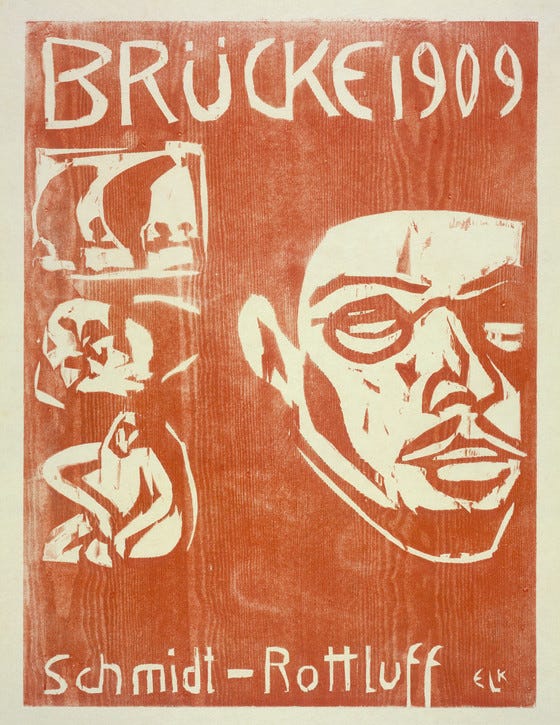
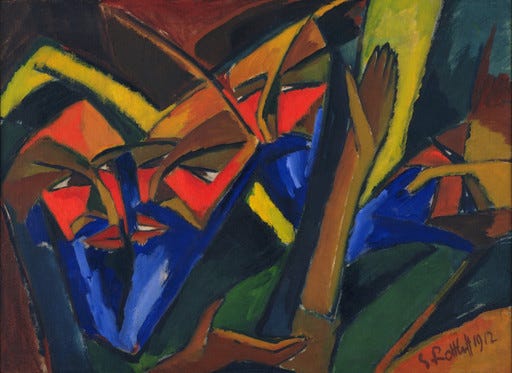
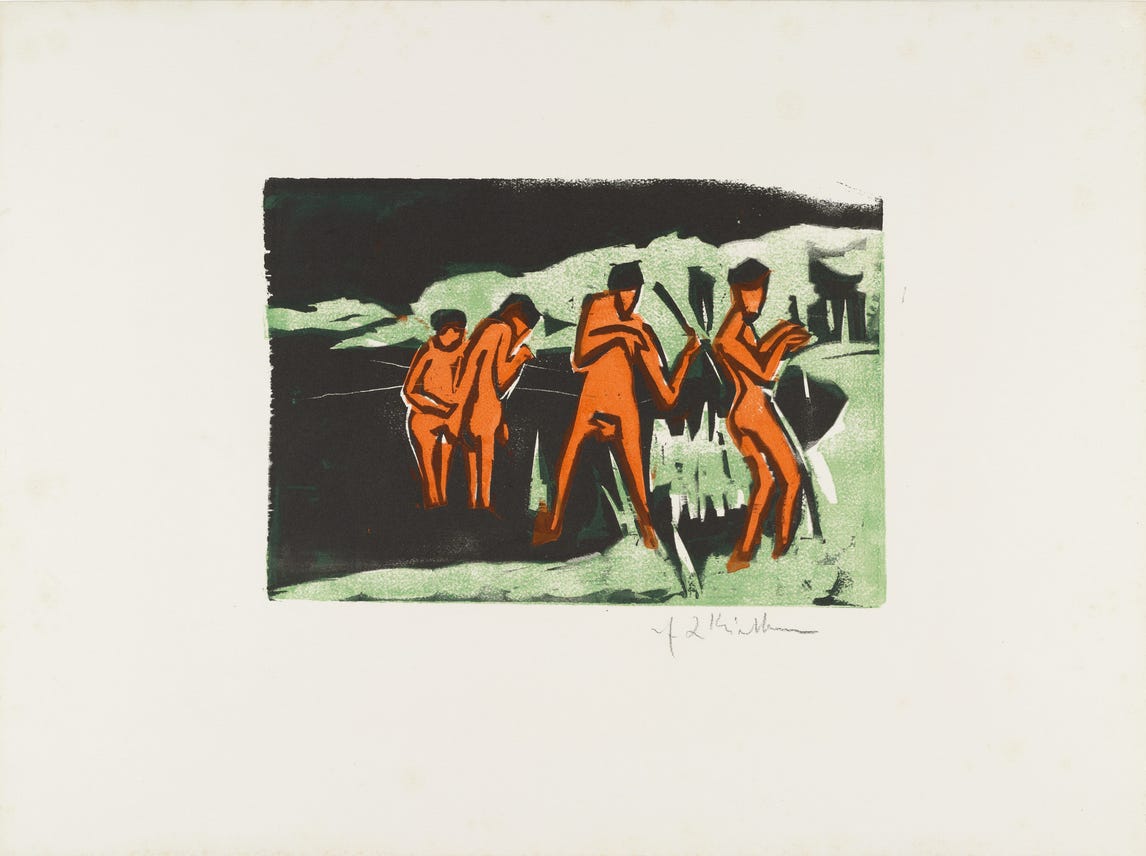
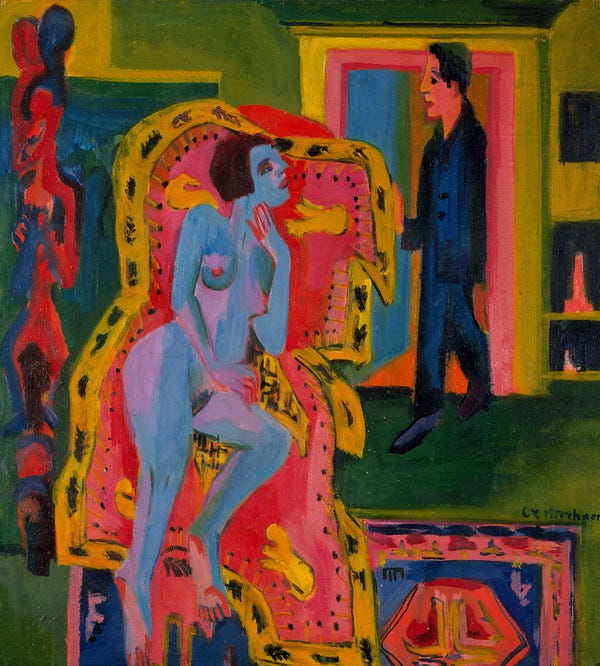
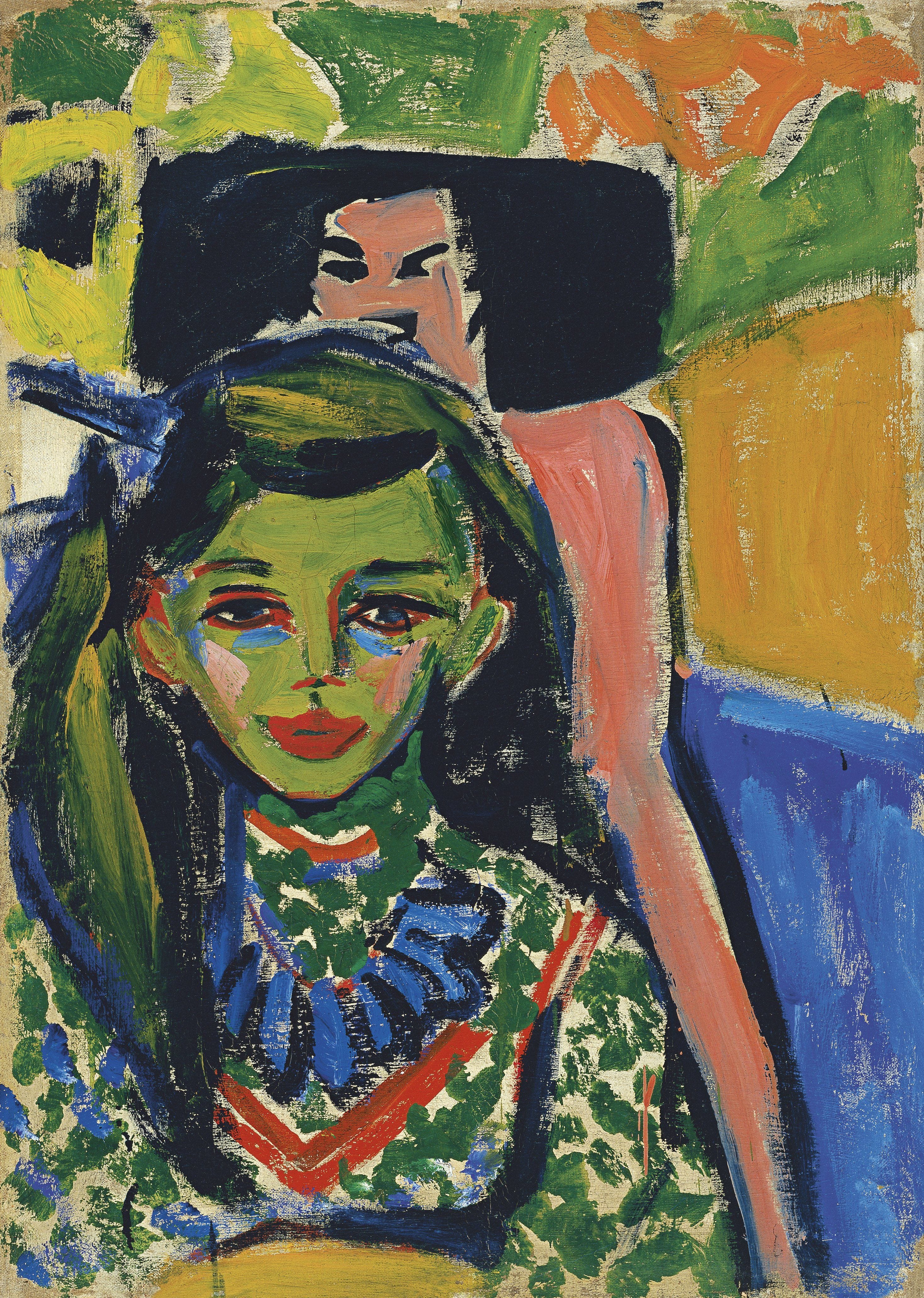
This meant using methods like woodcut prints, carved wooden sculptures, and more primitive modes of painting. The art often appears naive, basic or simple – but that was the point.
It was all in aid of finding authentic emotion, and they felt that using an expressive style that containted lots of colour and direct simple forms would give them the most direct path.
Die Brücke translates to the bridge, and for the artists this particular bridge would connect the rich artistic past of Germany with the contemporary future that as young people they felt responsible for. The gap they were attempting to navigate was the stuffy and restrictive Academies and Arts infrastructure and rules that they felt could only hold them back.
None of the artists from Die Brücke attended any institutions.
But this was not the only bridge they built.
Another was between the artist and the patron. The group created a early subscription model which entitled members who paid an annual fee to a portfolio of prints from the collective.
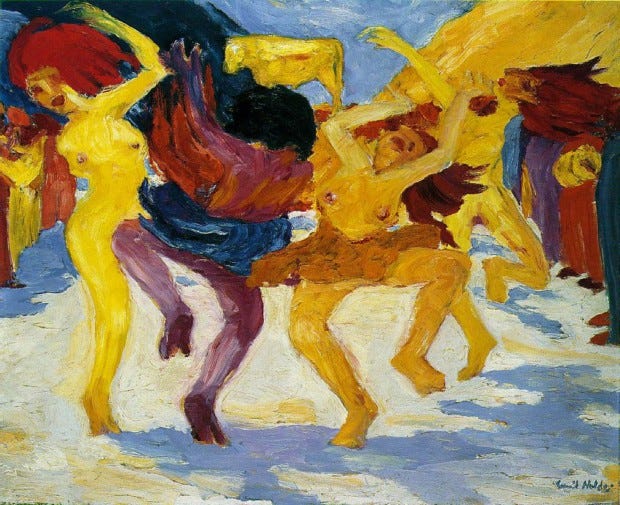
Another bridge sought to connect humans with nature. Pieces often included scenes and imagery associated with the natural world or just humans at play as nature intended, free from the inhibitions and structures of middle-class life and propriety.
Although much of the inspiration for the form of the art came from the cultures and tribes of the South Seas and Africa, the movement was resolutely German. There was a determined nationalistic quality to it, which in retrospect bumps around uncomfortably with the collonialist pilfering that was obviously going on.
But the sincerity and earnestness was clear, and definsible.
However, these forms would also make Die Brücke traitors in the eyes of Hitler, and the art was diminished, ostracised and destroyed as part of the Degenerate Art Exhibition.
No patrotic enough for some. Too patriotic for others. The kind of quandry that youthful exuberance and optimism can create for oneself. Less of a bridge perhaps more of a tightrope.
Optimism. Poptimism. Sloptimism.
Returning to established, objective principles.
Throwing off the shackles of a contemporary, socially constructed way of doing things.
Trying, succeeding, maybe even failing in a way that only the young (or young in spirit) can.
That feels like a balm for the continued stings of our present predicaments in 2026 AD.
Seeking out true human emotional responses, trimming the fat off anything akin to technique or rules feels like it could bloom the kind of sincerity that sometimes goes a bit missing in today’s culture.
What if we tried to bridge the gap?
The importance of being earnest
Naive creativity is a beautiful thing, and no-one is more naturally naive than children.
Their art is wonderfully free but woefully misunderstood.
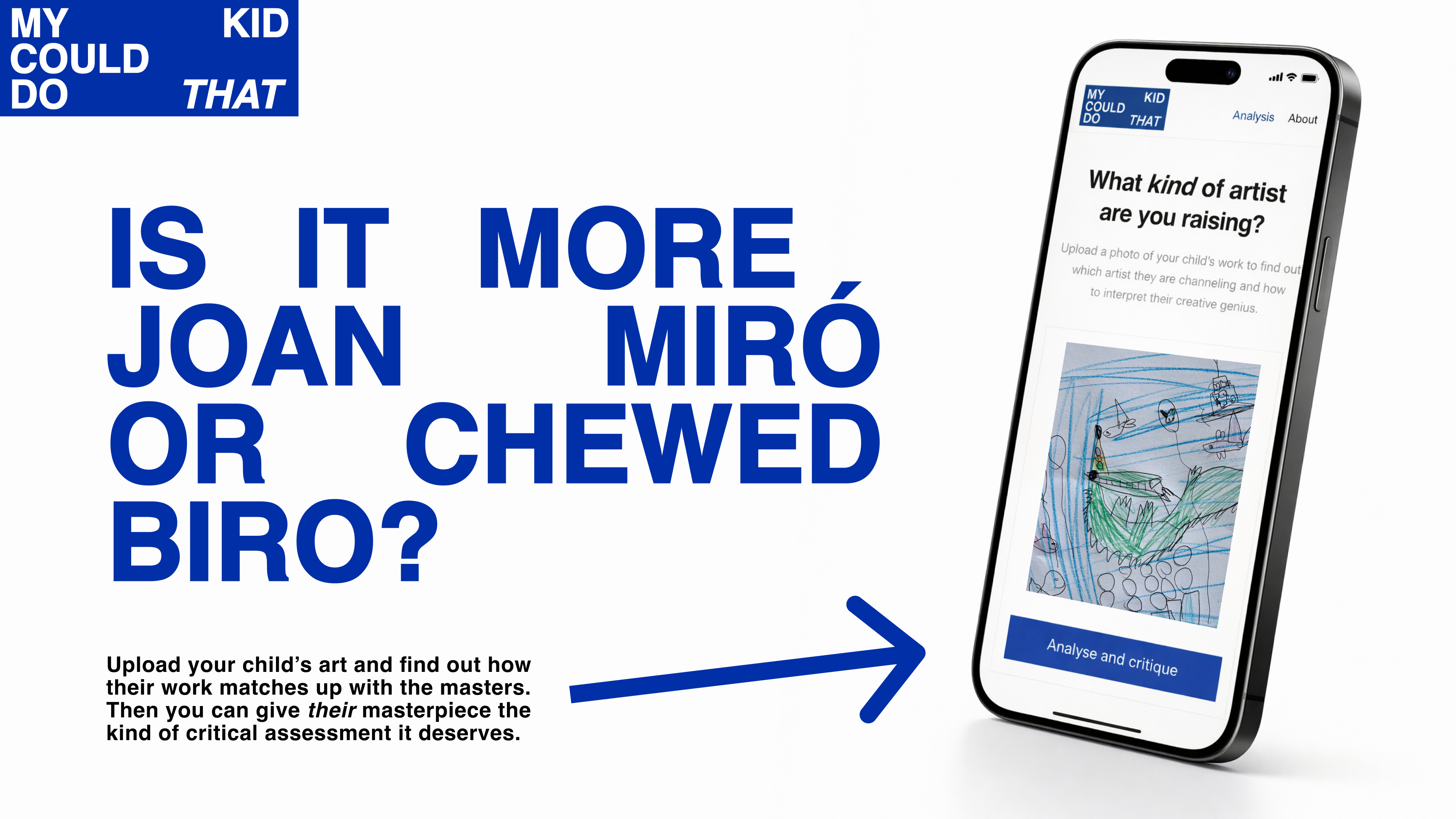
That’s why I vibe-coded My Kid Could Do That.
It’s a web app that analyses your kid’s art, tells you which artistic maestro they are closest to interpreting, and gives them a critical score based on novelty, nuance and narrative.
Thanks for reading!
Like, comment and subscribe etc.
Jonathan ✌️
Noticed Board
Complaign is the antidote to Campaign
Jimmy Fallon is the anti-christ
Luigi Ghirri’s photos
Birkenstock x Song for the Mute
Norm.